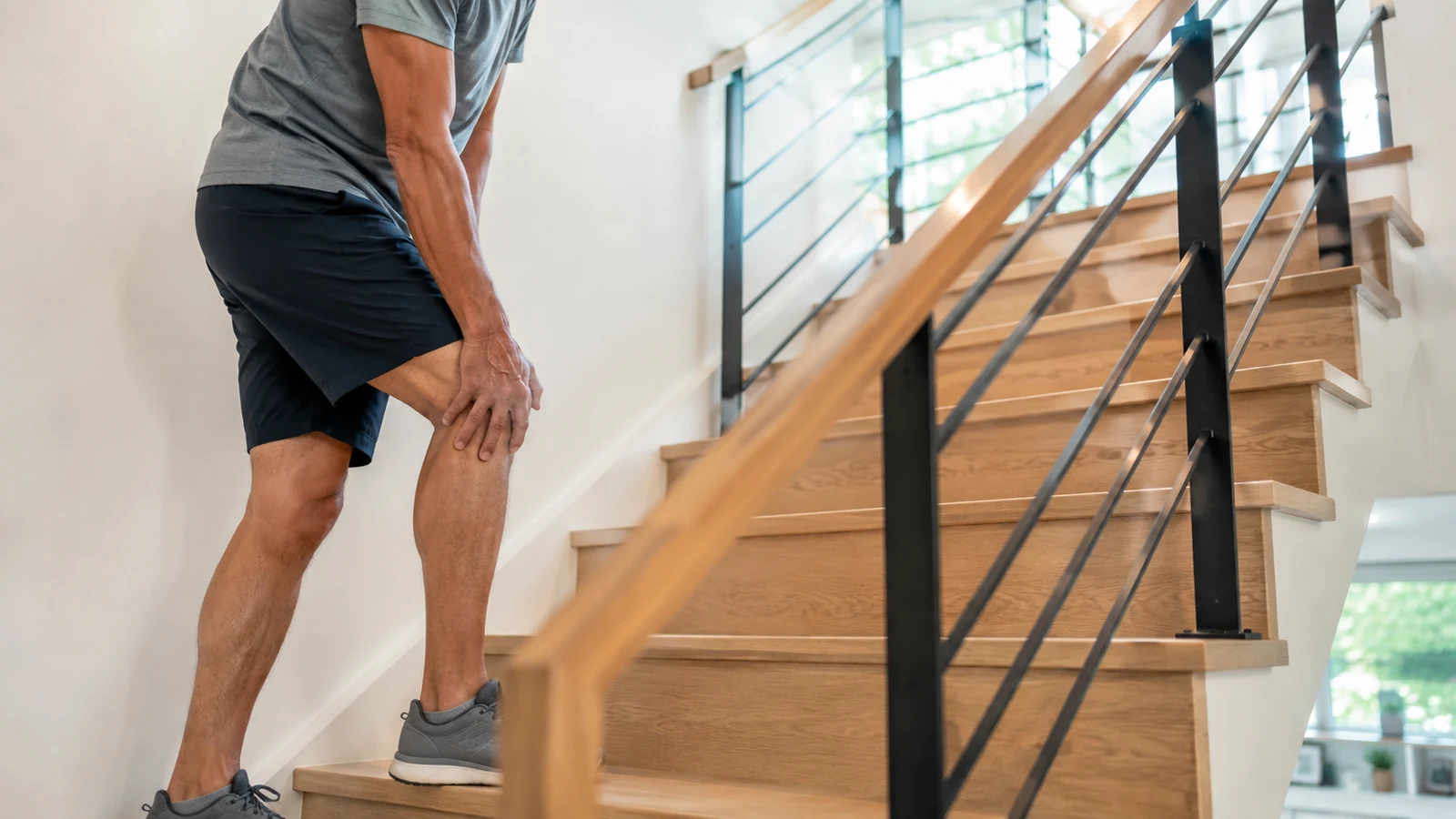
Walking is usually a joint-friendly form of activity, but knee pain can still appear when distance, hills, pace, footwear, recent activity changes, or an underlying knee problem exceed what the joint currently tolerates.
What To Know
- Knee discomfort after walking can reflect how the joint responds to distance, terrain, recent activity changes, and existing irritation.
- The location of pain, swelling, instability, and the way symptoms settle after activity are useful details to track.
- A gradual approach to activity may be reasonable for mild symptoms, while persistent or worsening pain deserves assessment.
Think About Where The Pain Is
Pain at the front of the knee, along the inside or outside joint line, behind the knee, or directly over a tendon can suggest different patterns. Location alone does not provide a diagnosis, but it is useful information.
Consider Recent Changes
A longer route, more hills, faster pace, new shoes, travel, or a sudden increase in daily steps may explain why symptoms appeared even if walking was previously comfortable.
Related reading: Why Does My Knee Hurt When Climbing Stairs?
Watch The Response After Activity
Mild symptoms that settle quickly are different from swelling, instability, or pain that continues to worsen after each walk. Tracking the response can help guide whether activity needs modification.
Build Capacity Gradually
If a clinician has ruled out a significant injury, progressive strengthening and gradual increases in walking exposure may help build tolerance. Avoid making several training changes at once.
When To Seek Evaluation
Seek care after a significant injury, with major swelling, locking, giving way, inability to bear weight, or persistent symptoms that interfere with normal walking.
Frequently Asked Questions
Can Walking Cause Runner’s Knee?
Patellofemoral pain can occur in non-runners and may become noticeable with walking, stairs, or other repeated knee-loading activities.
Should I Change Shoes If My Knee Hurts?
Footwear can affect comfort, but knee pain has many possible causes. A shoe change is not a substitute for assessment when symptoms persist.
Is It Better To Walk On Flat Ground?
Some people tolerate flat routes better than hills during a symptomatic period, but the best approach depends on the individual.
Medical Sources And References
This guide was developed from established medical guidance and reference material. Source clinicians are credited according to the attribution shown by the original publisher.
- AAOS: Osteoarthritis Source/Contributed by Neil P. Sheth, MD, FAAOS; peer-reviewed by Thomas Ward Throckmorton, MD, FAAOS.
- AAOS: Patellofemoral Pain Syndrome Source/Contributed by Jocelyn Ross Witstein, MD, FAAOS; Mary K. Mulcahey, MD, FAAOS; Carolyn M. Hettrich, MD, MPH, FAAOS; and Daniel Liechti, MD.