Runner’s knee is a common informal name for patellofemoral pain, which is usually felt around the front of the knee or behind the kneecap. Although often associated with running, it can affect people who participate in many different activities or even people who are not athletes.
What To Know
- Runner’s knee commonly refers to patellofemoral pain around or behind the kneecap rather than one single injury.
- Symptoms may become more noticeable with running, stairs, squatting, or prolonged sitting with the knee bent.
- Training changes, gradual loading, strength, and symptom response are important considerations when returning to activity.
What Runner’s Knee Usually Means
The term most often refers to patellofemoral pain syndrome. Symptoms may develop when repeated loading, training changes, movement mechanics, or other factors increase stress around the kneecap.
Typical Symptoms
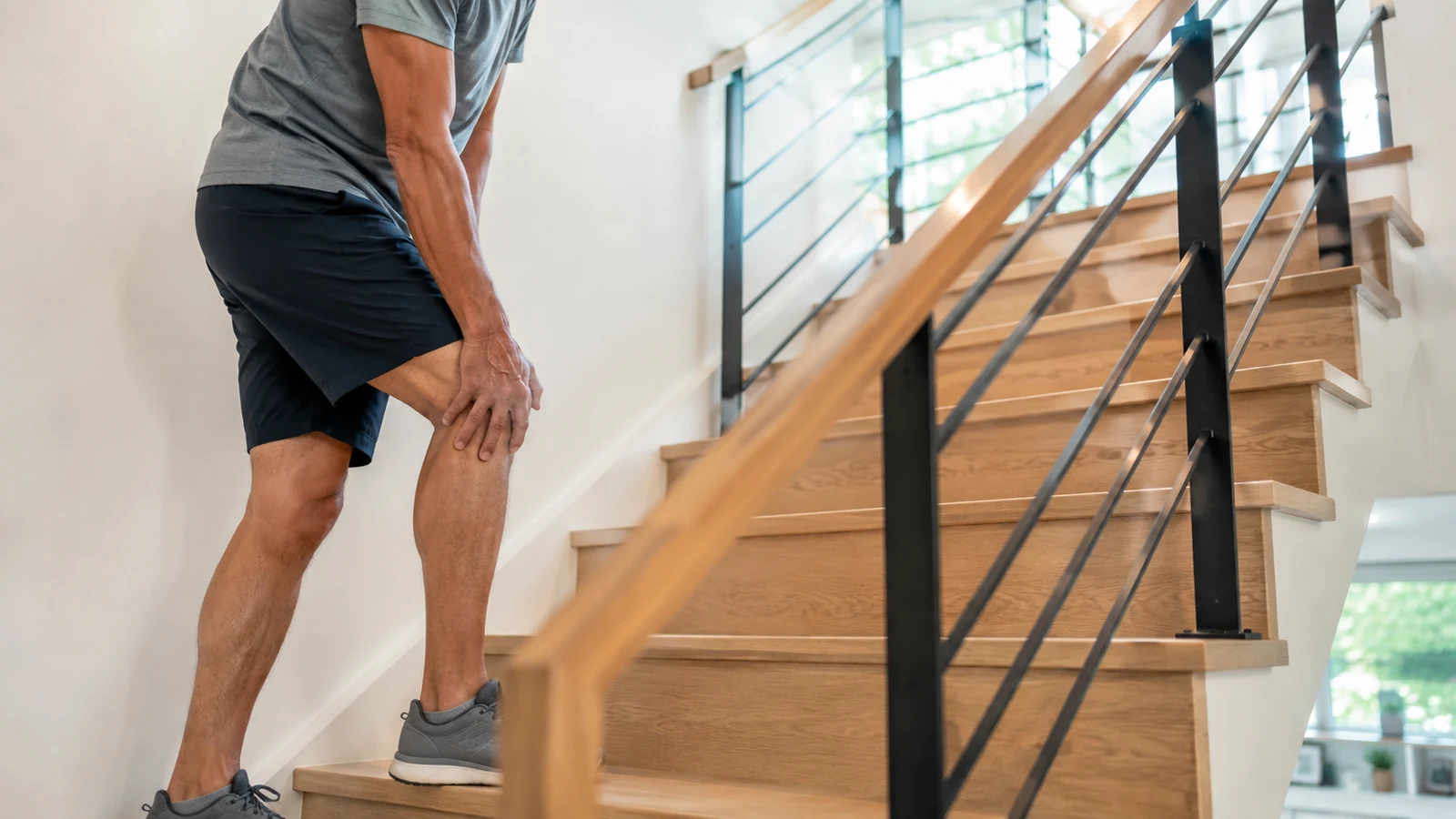
People often describe a dull ache at the front of the knee that becomes more noticeable with running, jumping, squatting, stairs, or prolonged sitting. Clicking or crackling can occur, but sounds alone do not necessarily indicate serious damage.
Related reading: Why Does My Knee Hurt When Climbing Stairs?
Why Training Changes Matter
A sudden increase in running distance, frequency, hill work, or intensity can outpace the body’s ability to adapt. Footwear, surface changes, recovery, and strength can also influence how the knee tolerates repeated loading.
General Recovery Principles
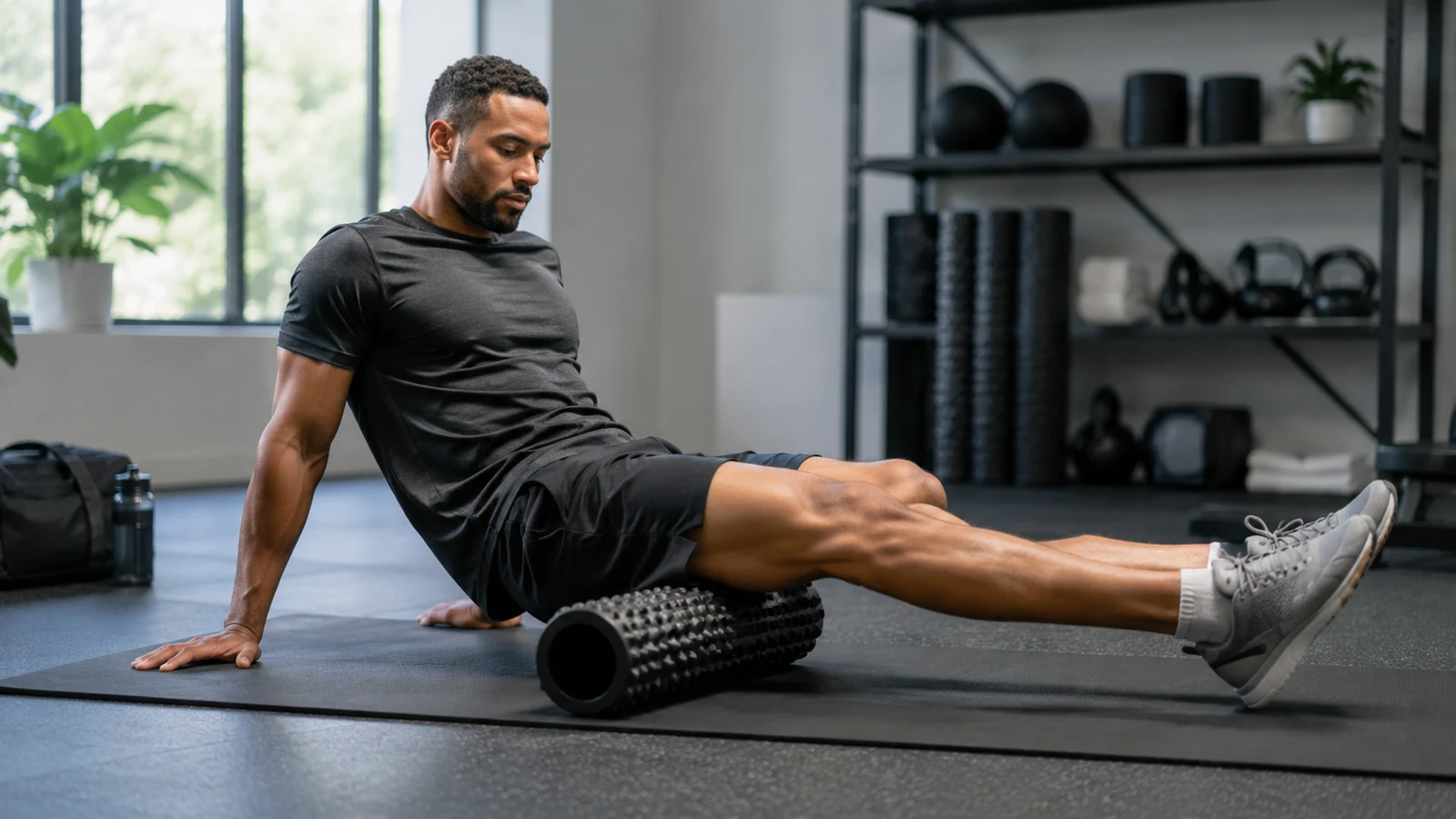
Management commonly focuses on reducing aggravating load, restoring comfortable movement, and progressively rebuilding strength and activity tolerance. A physical therapist or other qualified professional can tailor a plan when symptoms persist.
When To Get Help
Seek assessment for significant swelling, inability to bear weight, a traumatic injury, locking, repeated giving way, or symptoms that continue despite sensible activity modification.
Frequently Asked Questions
Can Non-Runners Get Runner’s Knee?
Yes. Patellofemoral pain can affect athletes and nonathletes.
Can I Run Through Runner’s Knee?
Running through increasing pain is generally not a good strategy. Activity should be adjusted to a tolerable level and persistent symptoms evaluated.
Does Runner’s Knee Always Need Imaging?
Not always. Clinicians often begin with history and physical examination, then decide whether imaging is useful based on the findings.
Medical Sources And References
This guide was developed from established medical guidance and reference material. Source clinicians are credited according to the attribution shown by the original publisher.
- AAOS: Patellofemoral Pain Syndrome Source/Contributed by Jocelyn Ross Witstein, MD, FAAOS; Mary K. Mulcahey, MD, FAAOS; Carolyn M. Hettrich, MD, MPH, FAAOS; and Daniel Liechti, MD. Peer-reviewed by Stuart J. Fischer, MD, FAAOS, and Rick Wilkerson, DO, FAAOS.
- AAOS: Sprains, Strains & Other Soft-Tissue Injuries Source/Contributed by Jocelyn Ross Wittstein, MD, FAAOS; peer-reviewed by Mary K. Mulcahey, MD, FAAOS.