Bone is living tissue that responds to physical loading and depends on adequate nutrition and overall health. Habits built across the lifespan can support bone strength and help reduce fracture risk.
What To Know
- Bone strength is supported by regular weight-bearing and resistance activity across the lifespan.
- Nutrition, including adequate calcium and vitamin D, works alongside activity rather than replacing it.
- Fall prevention and awareness of personal risk factors are important parts of protecting bone health.
Use Weight-Bearing Activity
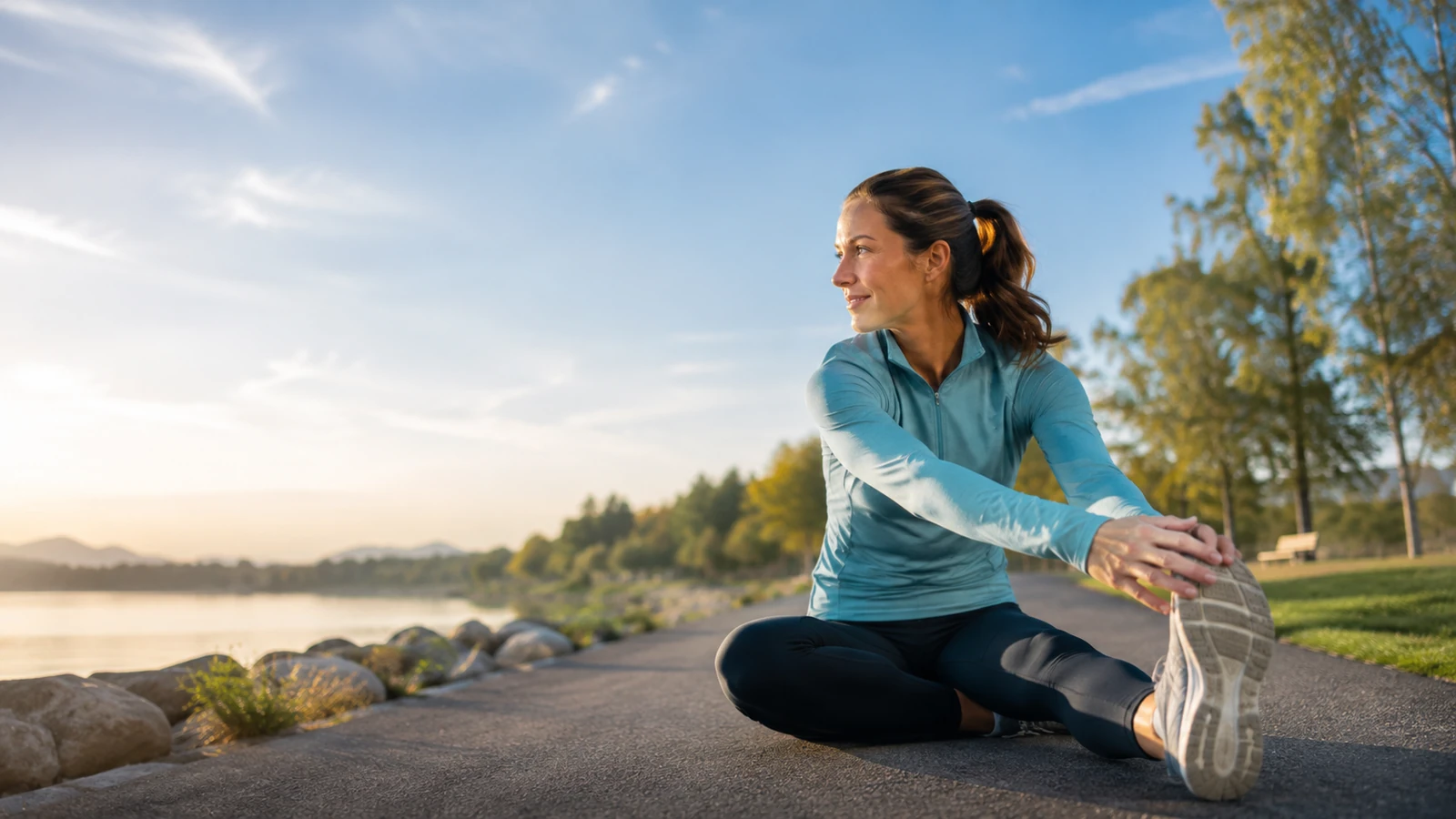
Walking, stair climbing, dancing, and other weight-bearing activities place useful mechanical demand on the skeleton. The appropriate activity level depends on age, health, and fracture risk.
Include Resistance Exercise
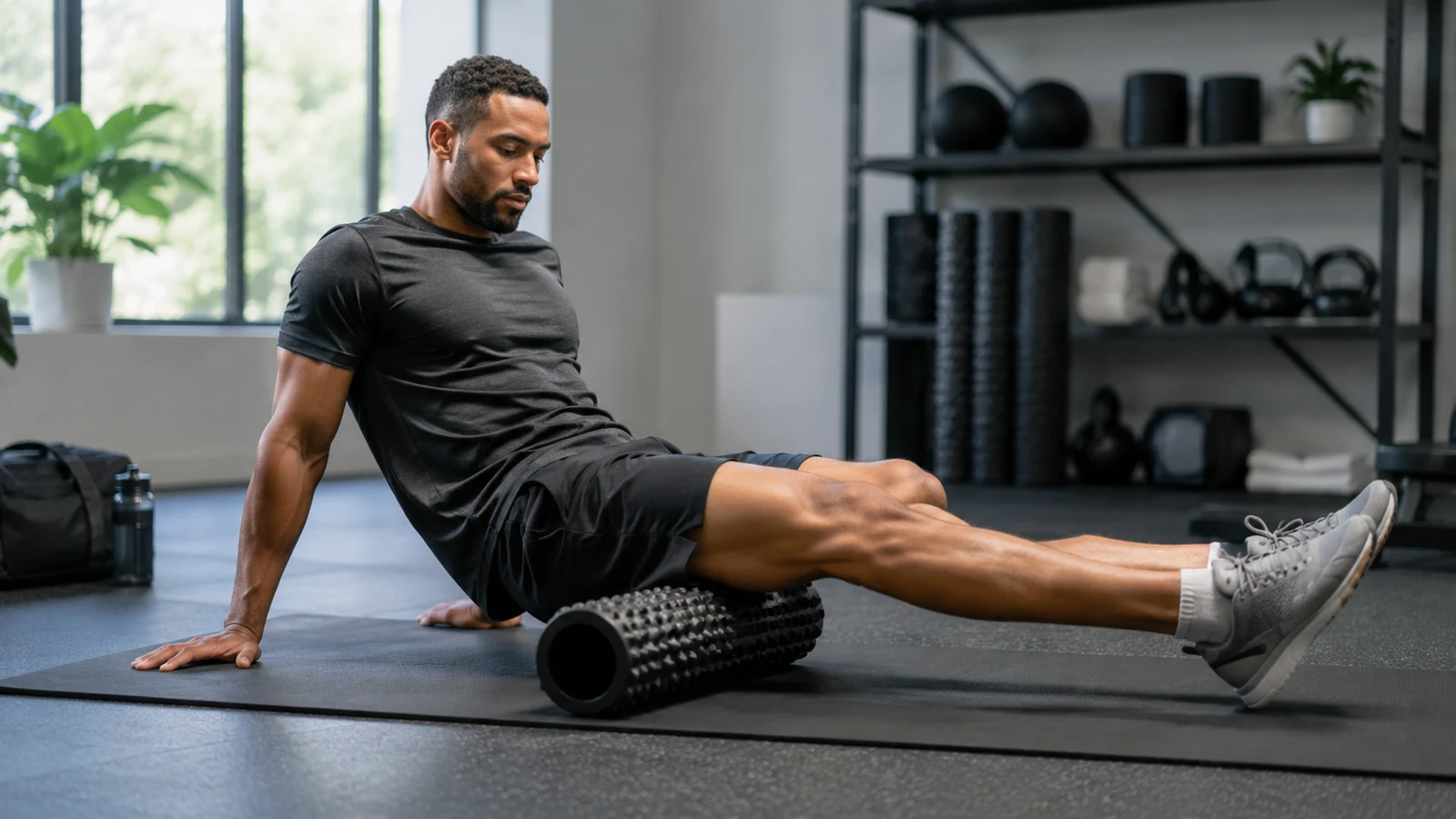
Strength training challenges muscles and also loads bones. Resistance can come from weights, machines, bands, or body-weight movements, depending on ability and medical considerations.
Related reading: Everyday Habits That Support Back Health
Support Bone Health With Nutrition
Calcium and vitamin D are important for bone health. Dietary needs vary, and supplements should not be treated as one-size-fits-all; people with concerns should discuss intake with a healthcare professional.
Reduce Fall Risk
Balance, strength, vision, medications, home hazards, and footwear can all affect fall risk. For people with osteoporosis, preventing falls is an important part of fracture prevention.
Know Your Risk Factors
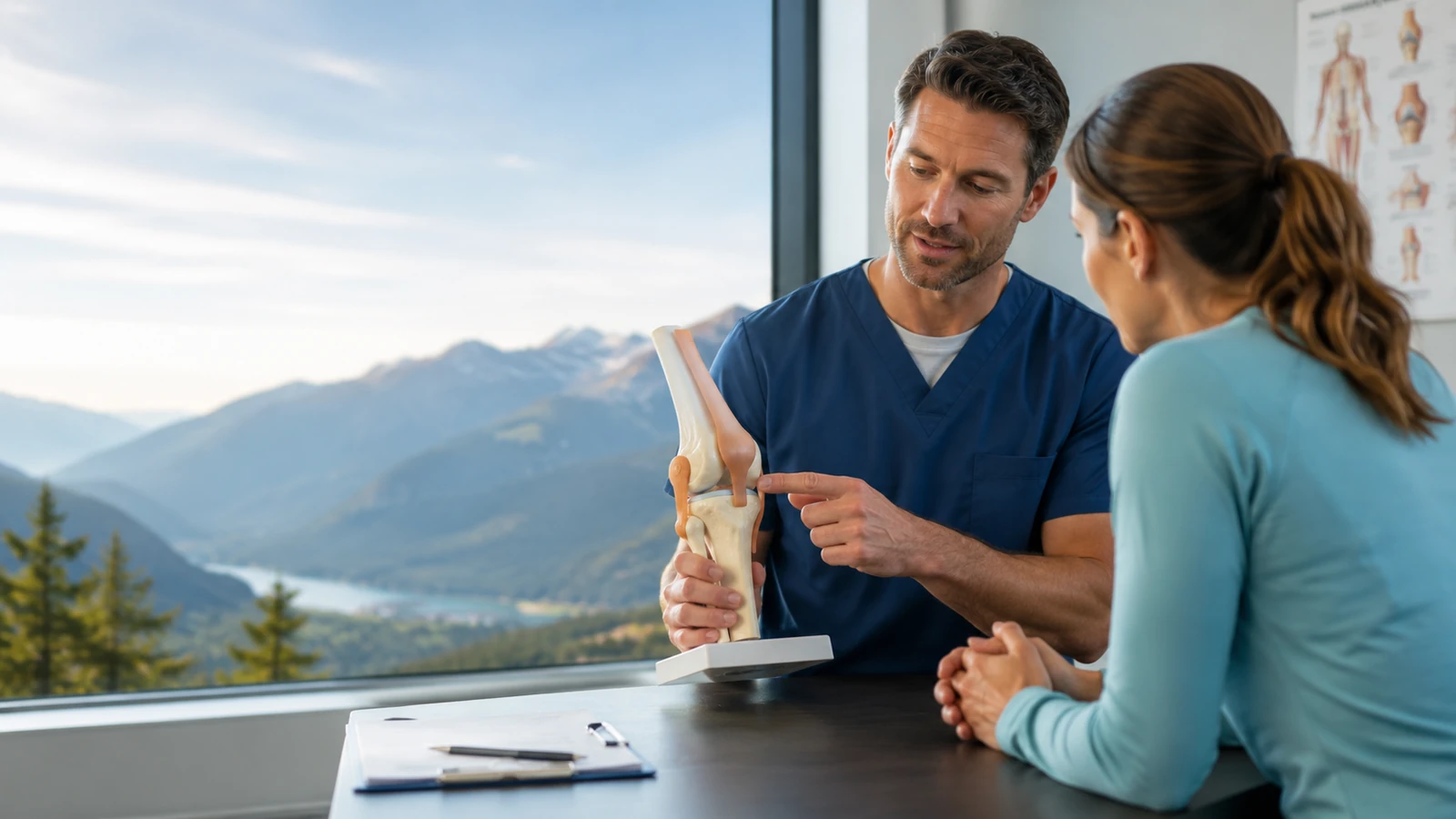
Age, family history, certain medications, hormonal factors, smoking, heavy alcohol use, and some health conditions can increase osteoporosis risk. Screening recommendations depend on the individual.
Frequently Asked Questions
Does Walking Help Bone Health?
Weight-bearing activity such as walking can support bone health, although a complete program may also include resistance and balance training.
Do I Need Calcium Supplements?
Not everyone needs supplements. Intake should be considered alongside diet, health conditions, and professional guidance.
Can Older Adults Improve Bone Health?
Yes. Physical activity, strength, balance, nutrition, fall prevention, and appropriate medical care remain important with age.
Medical Sources And References
This guide was developed from established medical guidance and reference material. Source clinicians are credited according to the attribution shown by the original publisher.
- NIAMS: Exercise for Your Bone Health National Institute of Arthritis and Musculoskeletal and Skin Diseases (NIAMS); institutional guidance.
- AAOS: Stress Fractures Source/Contributed by Mukund Srinivas, MD; peer-reviewed by Mary K. Mulcahey, MD, FAAOS.