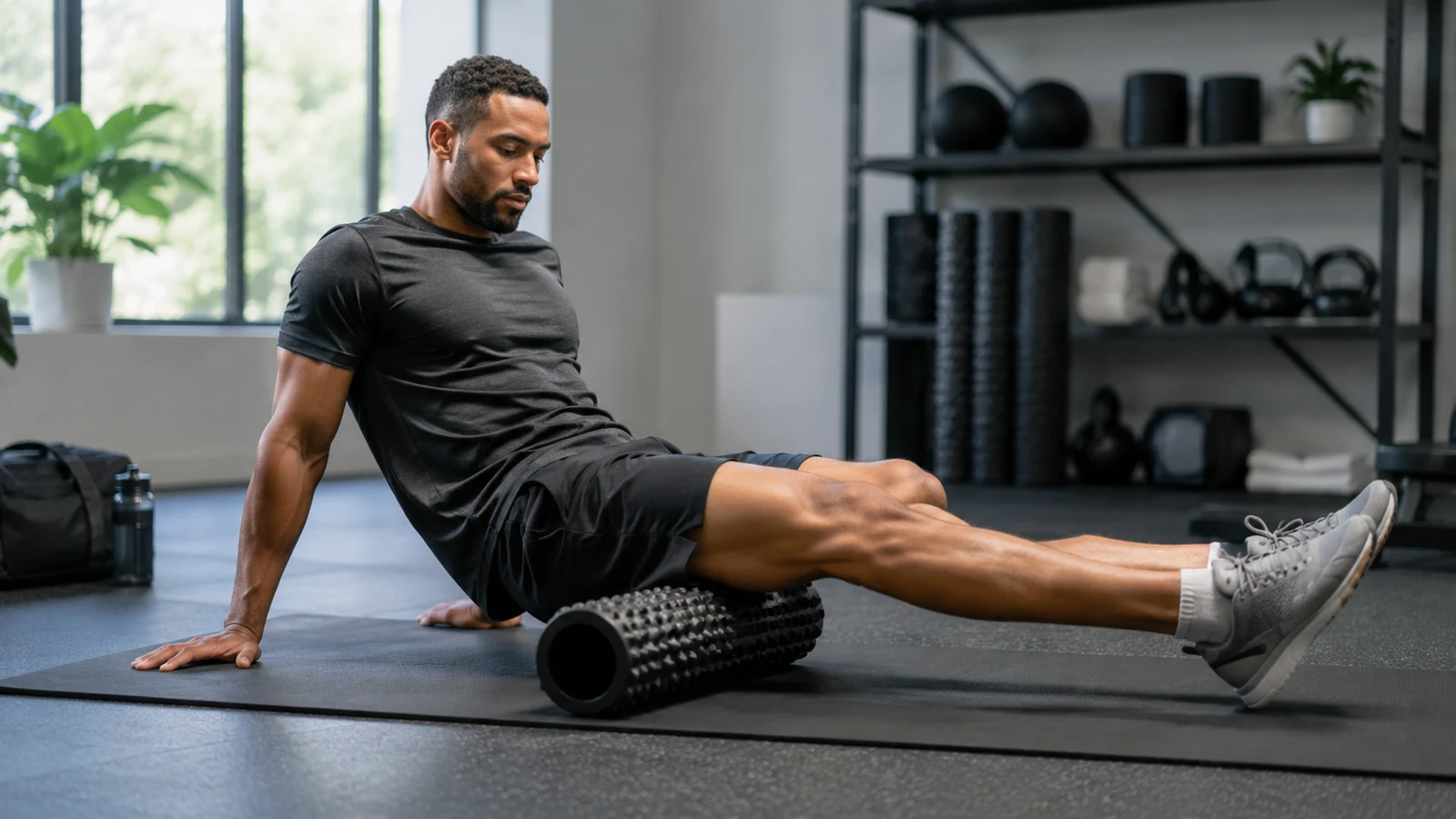
Back health is influenced by more than posture alone. Regular movement, strength, activity variety, sensible lifting habits, sleep, and overall health all contribute to how the back tolerates daily demands.
What To Know
- Regular movement and gradually developed strength can help the back tolerate everyday physical demands.
- Comfortable lifting strategies and movement variety are generally more practical than chasing one perfect posture.
- Back pain accompanied by significant weakness, neurological symptoms, major trauma, or worsening function deserves medical evaluation.
Move Regularly Throughout The Day
Long periods in one position can feel uncomfortable for many people. Changing position, taking brief walking breaks, and varying tasks can help distribute physical demands instead of repeatedly stressing the same tissues.
Build Strength Gradually
Regular physical activity can support the muscles that help control the trunk and hips. A gradual approach is especially important when returning after inactivity or pain.
Related reading: Why Do My Joints Feel Stiff After Sitting?
Use Practical Lifting Strategies
When lifting, keep the load manageable, stay close to it, and use the legs and hips rather than relying on the back alone. Avoid sudden twisting while handling a heavy or awkward object.
Think Beyond Perfect Posture
There is no single perfect posture for every person and task. Comfort often comes from having options and changing positions rather than rigidly holding one posture for hours.
Know When Back Pain Needs Evaluation
Seek prompt care for severe pain after trauma, new weakness or numbness, loss of bowel or bladder control, fever with back pain, or other concerning symptoms. Persistent pain that limits function should also be discussed with a healthcare professional.
Frequently Asked Questions
Is Sitting Always Bad For The Back?
No. Sitting is a normal activity, but long uninterrupted periods can be uncomfortable. Changing position and moving regularly can help.
Does Good Back Health Require A Strong Core?
Trunk strength can be useful, but back health depends on overall activity, strength, movement tolerance, and many individual factors.
Should I Rest In Bed For Back Pain?
Extended bed rest is generally not the default approach for common back pain. Appropriate activity depends on symptoms and medical context.
Medical Sources And References
This guide was developed from established medical guidance and reference material. Source clinicians are credited according to the attribution shown by the original publisher.
- NIAMS: Back Pain National Institute of Arthritis and Musculoskeletal and Skin Diseases (NIAMS); institutional guidance.
- AAOS: Preventing Back Pain at Work and at Home Source/Contributed by Daniel K. Park, MD; peer-reviewed by Thomas Ward Throckmorton, MD, FAAOS, and Stuart J. Fischer, MD.